Water park profit doubling operation strategy: creating differentiated experiences and extending the industry chain
In the increasingly fierce competition in the cultural and tourism industry, as a highly seasonal business model, how can water parks break through traditional operating models and achieve doubled profits? The key lies in building differentiated competitive advantages through precise positioning, scene innovation, customer base expansion, and industry chain integration. The following proposes systematic solutions from four dimensions to help water parks achieve sustainable profit growth.
**1、 Precise positioning, creating themed stores**
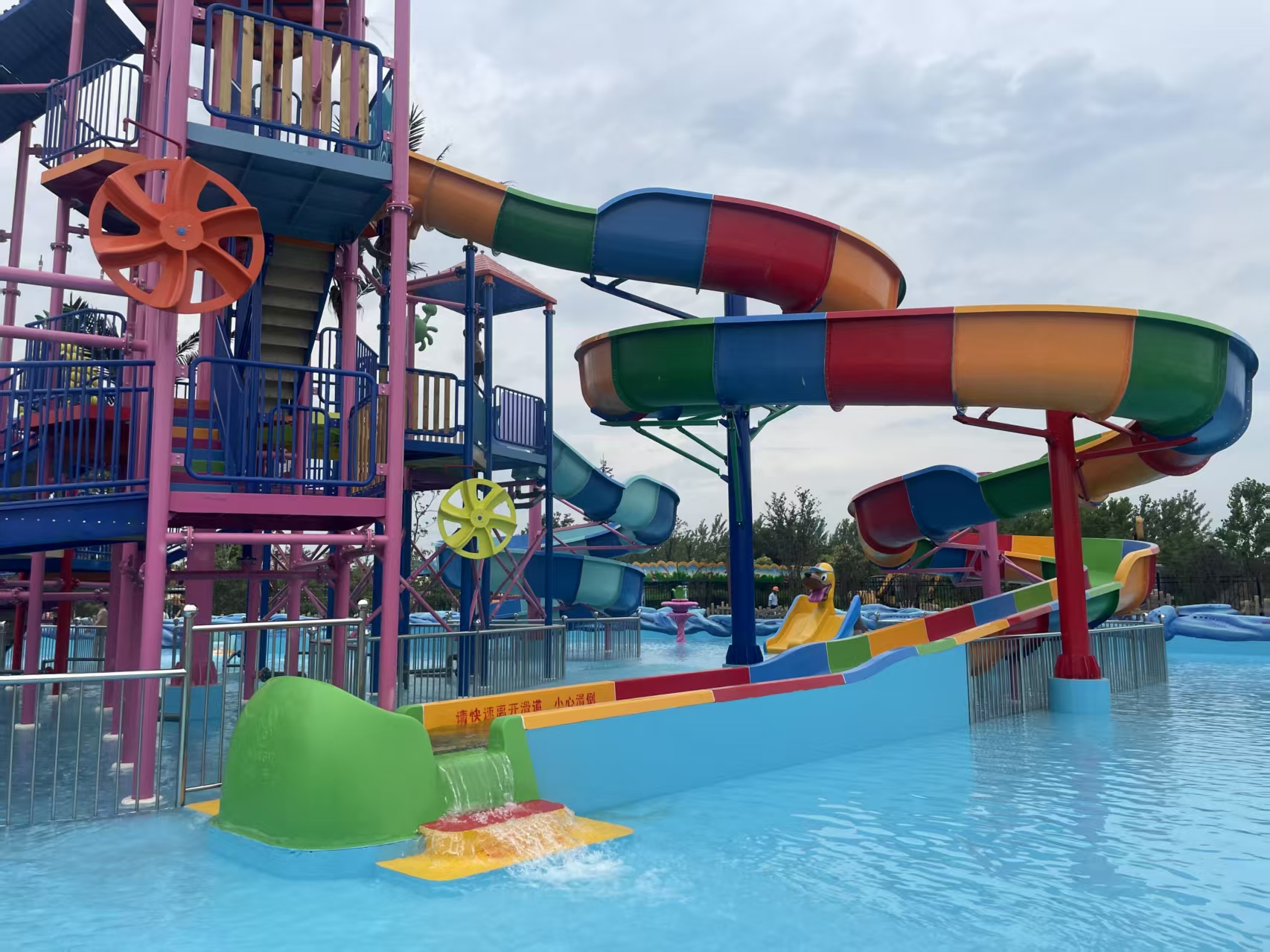
The planning and design of water parks should be guided by market demand, combined with site conditions and commercial positioning, to customize distinctive themed stores. Suggest adopting a "one park, one theme" strategy to avoid homogeneous competition. For example, scenes can be built around themes such as ocean exploration, tropical rainforests, science fiction interstellar, etc., and immersive environments can be created to enhance tourists' memory points. In equipment selection, it is necessary to balance safety and stimulation, design differentiated product combinations for different age groups, and optimize equipment ratios through dynamic investment evaluation models to ensure investment return. This thematic positioning can not only enhance brand recognition, but also generate additional revenue through thematic IP authorization, joint cooperation, and other means, forming a virtuous cycle of "thematic drainage+revenue feedback".
**2、 Segmenting customer groups and building multi-level experience spaces**
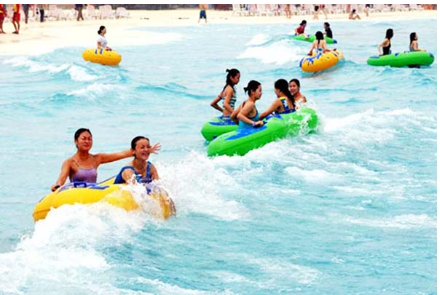
Water parks should break the traditional single customer positioning and meet diversified needs through spatial segmentation. It is suggested to divide the park into three core areas: * * children's area, middle children's area, and young children's area * *, each equipped with ergonomic amusement equipment and safety protection measures. On this basis, theme elements such as anime, ocean, sports, fairy tales, magic, technology, and ice and snow can be further implanted to create a distinctive theme area. For example, setting up indoor temperature controlled wave making pools and ice sculpture art exhibitions in the ice and snow themed area, and introducing VR interactive water slides and intelligent sensing devices in the technology themed area. This refined zoning can not only increase the duration of tourists' stay, but also achieve staggered operation based on time periods and customer groups, thus improving the utilization rate of the venue.
**3、 Deeply tap into the value of parents and build a parent-child travel ecosystem**
As the main body of consumer decision-making, parents' experience directly affects the repurchase rate. Water parks need to shift from "child exclusive" to "family shared" and create parent-child shared play scenes:
1. * * Add adult amusement facilities * *: Install mild water amusement projects (such as drifting rivers, leisure pools) and competitive equipment suitable for family participation in the parent-child interaction area;
2. * * Develop parent-child themed activities * *: Regularly hold interactive projects such as water sports games, family challenge competitions, and parent-child DIY workshops;
3. * * Creating a shared leisure space * *: Setting up convenient facilities such as parent-child changing rooms, family rest cabins, shared storage cabinets, and supporting light catering service areas.
By building a closed loop of "children's play+parental participation+family consumption", the average order value and secondary consumption rate can be significantly increased.
**4、 Extend the industrial chain and build a closed-loop theme ecosystem**
Water parks should break through the limitations of ticket economy and create diversified profit models through industry chain extension:
1. * * Theme catering development * *: Opening ocean themed restaurants, fairy tale afternoon tea bars and other specialty catering, increasing the proportion of catering revenue to over 30%;
2. * * Derivative product development * *: Design IP co branded swimwear, water toys, themed souvenirs and other derivative products, and sell them simultaneously at the entrance, exit and online mall of the park;
3. * * Extension of Education and Training * *: Offering value-added services such as swimming training, water safety courses, and parent-child study camps;
4. Cross border cooperation: Establish cross industry alliances with hotels, travel agencies, and children's education institutions to launch joint ticket packages and customized tourism products.
By integrating the industry chain of "amusement+catering+retail+education+accommodation", a golden income structure of "ticket revenue: secondary consumption: derivative income=4:3:3" can be formed.
**Suggestions for operational support:**
1. * * Smart Upgrade * *: Introducing intelligent gates, electronic storage, and online reservation systems to improve operational efficiency and tourist experience;
2. * * Membership system construction * *: Introduce family membership cards, point redemption systems, birthday privileges, and other benefits to enhance user stickiness;
3. * * Seasonal operation strategy * *: Transform into a hot spring spa center or indoor parent-child amusement park in winter, achieving year-round operation;
4. Brand Marketing Innovation: Utilizing short video platforms for immersive live streaming and planning event marketing in conjunction with holiday hotspots.
Through the implementation of the above strategies, water parks can build an operational system of "theme differentiation+customer segmentation+experience scenario based+industry diversification", achieving geometric growth in profitability while enhancing tourist experience. In the next three years, it is expected to achieve an annual revenue growth rate of over 50% and a profit margin that is more than twice the industry average, truly achieving a breakthrough from a "traffic oriented" to a "value oriented" transformation.




 冀公网安备13112102000693号 网站XML