Water park off-season maintenance and operation optimization plan: safety upgrade, efficiency improvement, and team empowerment in one. Background and objectives of the plan
After experiencing the peak of summer operation, the water park is facing high equipment load, increased pressure on the water quality system, and physical and mental exhaustion among employees. It is urgent to ensure the safety, efficiency, and quality of the next operation cycle through systematic maintenance and team management optimization. Core objective: At the equipment level: eliminate safety hazards, extend equipment lifespan, and improve operational efficiency; On the water quality level: ensuring water quality safety, reducing maintenance costs, and optimizing tourist experience; At the team level: alleviate employee fatigue, strengthen skills and service awareness, and enhance team cohesion. 2、 Comprehensive equipment inspection and maintenance
(1) Special inspection of motor and water pump for deep maintenance of electromechanical system: Disassemble and inspect the wear of bearings and seals, and replace vulnerable parts; Clean the dust inside the motor, detect the aging and poor contact of the circuit; Test the operating current and temperature, calibrate the control system parameters. Rust removal and reinforcement of steel structures: Rust removal treatment is carried out on steel structures such as brackets and platforms, and anti rust paint is reapplied; Tighten all connecting bolts and check for cracks in the welds. Refined maintenance of slides and pool bodies: repair surface wear and cracks on slides, repaint with topcoat (avoid high-temperature operations); Replace fallen tiles and repair the waterproof layer at the bottom of the pool; Calibrate interactive devices such as water level sensors and sprinkler systems.
(2) The "three-step inspection method" for key maintenance processes and standard execution: visual inspection → instrument testing → pressure testing; Establish maintenance records: record the maintenance time, replacement parts, and inspection results of each equipment item; Safety verification mechanism: After maintenance, no-load and full load trial runs must be conducted, and third-party safety checks must be passed.
(3) Deep maintenance of water quality treatment system
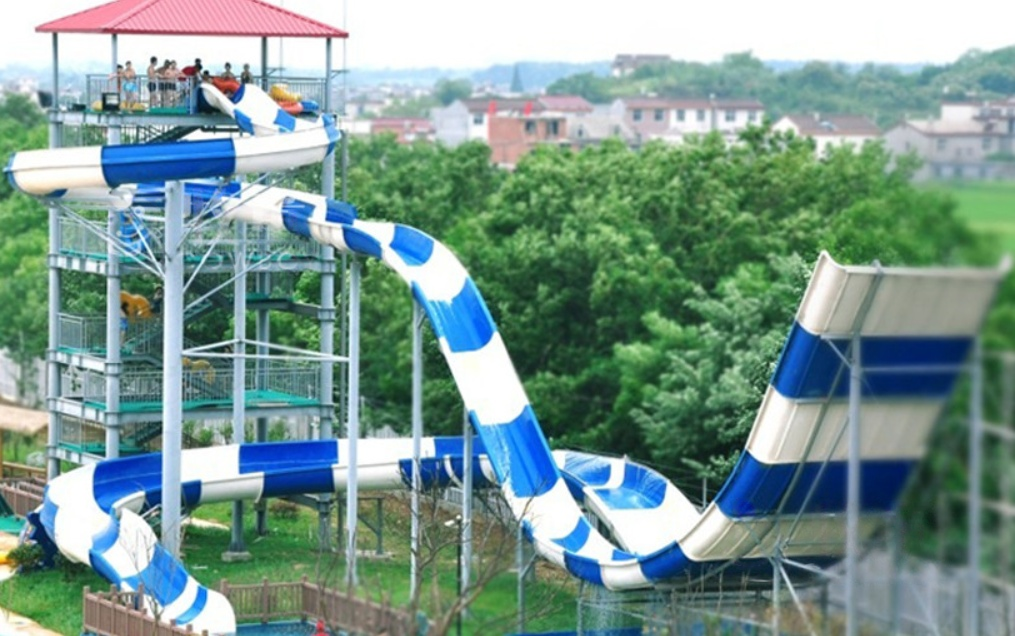
(1) Maintenance, emptying, and cleaning of water treatment equipment: Drain accumulated water from swimming pools, pipelines, and filter sand tanks to prevent freezing and cracking in winter; Thoroughly clean the hair collector and filter, replace the filter element; Clean and disinfect the inner wall of the pipeline. Equipment anti-corrosion and maintenance: Polish and repaint metal parts to prevent rusting; Lubricate transmission components such as valves and bearings; Calibrate the accuracy of water quality monitoring sensors.
(2) Water channel surface restoration and pollution removal: use specialized cleaning agents to remove grease and sunscreen residue; Polish stubborn stains to restore surface gloss. Wax application and protection: Using high-quality polishing agent and protective wax, apply layer by layer until evenly distributed; Control the construction temperature (avoid exceeding 40 ℃) to prevent the occurrence of particles or ripples.
(3) Establish a long-term mechanism for water quality maintenance and develop a off-season water quality maintenance plan (such as monthly disinfection and water replenishment); Install an intelligent water quality monitoring system to monitor real-time indicators such as pH value and residual chlorine. 4、 Team optimization and empowerment
(1) Layered training system for employee skills and service improvement: New employees: strengthen safety operation norms and emergency response processes; Old employees: Deepen equipment maintenance skills and standardize service processes. Reshaping Service Consciousness: Conduct training on service etiquette and introduce the concept of "family oriented service"; Through scenario simulation exercises, enhance the ability to handle tourist complaints.
(2) Team motivation and care for work rest balance arrangement: organize team building activities (such as expansion training, outings) to alleviate work pressure; Implement a rotation and compensatory leave system to ensure the physical and mental health of employees. Career development plan: Establish a skills certification system, linked to promotion; Provide external training opportunities to enhance career attractiveness.
(3) Strengthen emergency capabilities by conducting fire drills and drowning rescue drills to ensure that all personnel master emergency skills; Update the emergency plan and clarify the response process for each position. 5、 Intelligent management system upgrade equipment intelligent monitoring: Install IoT sensors to monitor real-time device operating parameters (such as current, temperature, vibration); By analyzing and warning potential faults through big data, preventive maintenance can be achieved. Operating a digital platform: integrating functions such as equipment management, water quality monitoring, and passenger flow analysis; Optimize the digital experience of ticketing, storage, queuing, and other aspects for tourists. 6、 Implementation plan and guarantee
(1) Schedule Phase One (1-2 weeks): Conduct a comprehensive inspection and identify issues, and develop a maintenance checklist; Phase 2 (3-4 weeks): synchronized promotion of equipment maintenance, water quality system maintenance, and team training; Three stages (1 week): acceptance testing and system debugging, preparing for reopening.
(2) Establish a special team for organizational support, led by the general manager and coordinated by the equipment, operations, and security departments; Introduce third-party professional organizations for safety and water quality testing.
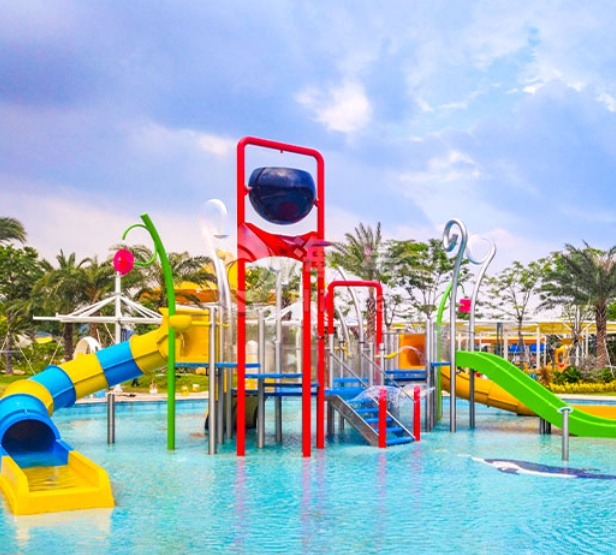
(3) Establish a special maintenance fund for budget management, prioritizing the investment in core equipment and safety systems; Reduce financial pressure through equipment leasing, installment payments, and other methods. 7、 Expected safety benefits: 100% elimination rate of safety hazards, 30% reduction in equipment failure rate; Efficiency level: Equipment operation efficiency is improved by 20%, and the water quality compliance rate remains at 100%; Service level: Tourist satisfaction has increased to over 95%, and employee turnover rate has decreased by 15%; Cost wise: Reduce maintenance costs by 15% -20% through preventive maintenance. 8、 Summary
Through the integrated off-season management of equipment maintenance, water quality optimization, and team empowerment, water parks can achieve an operational upgrade from "passive response" to "active prevention". This is not only a necessary measure to ensure safety, but also a key strategy to enhance competitiveness and achieve sustainable development. Suggest incorporating off-season maintenance into the annual operational plan and establishing a standardized management system. Attachment: Equipment Maintenance Inspection Checklist, Water Quality Treatment Operation Specification, Employee Training Plan, Intelligent System Construction Plan * * (Note: The specific implementation plan needs to be adjusted according to the actual situation of the amusement park)




 冀公网安备13112102000693号 网站XML